
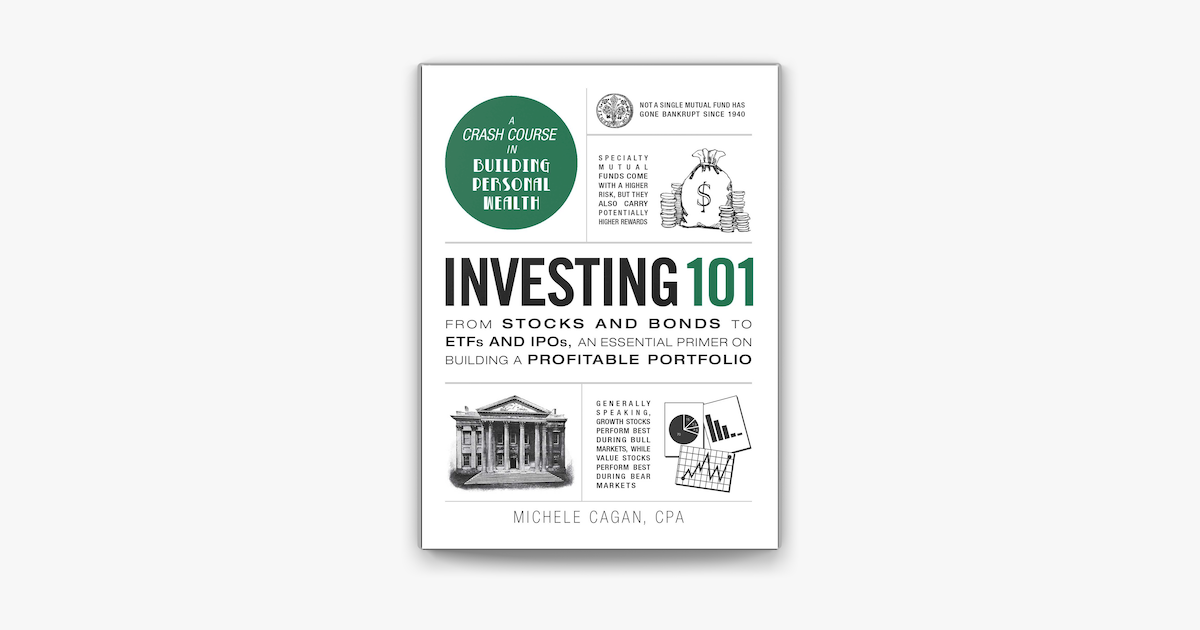
Investing is an important part of building wealth and achieving financial freedom. However, many people find investing in stocks and mutual funds intimidating. In this beginner’s guide, we’ll cover the basics of investing and how to get started.checkout blogue
What is investing?
Investing is the act of putting your money into assets that have the potential to grow in value over time. This can include stocks, mutual funds, bonds, real estate, and more. The goal of investing is to earn a return on your investment that is higher than the rate of inflation, which can help you build wealth and achieve your financial goals.
Stocks
A stock is a share in a company. When you buy a stock, you become a part owner of that company. Stocks can be bought and sold on stock exchanges, and their value can rise or fall depending on how the company performs.
Mutual Funds
A mutual fund is a collection of stocks, bonds, and other assets that are managed by a professional fund manager. When you invest in a mutual fund, you’re buying a share of the fund, which gives you exposure to a diverse range of assets. Mutual funds are a popular investment option for beginners because they offer diversification and professional management.
How to get started with investing
- Set your financial goals: Before you start investing, it’s important to set your financial goals. What are you investing for? Do you want to save for retirement, a down payment on a house, or your children’s education? Having clear financial goals will help you determine how much you need to invest and for how long.
- Open a brokerage account: To invest in stocks and mutual funds, you’ll need to open a brokerage account. There are many online brokerage firms that offer low fees and user-friendly platforms for beginners.
- Choose your investments: Once you have a brokerage account, you can start choosing your investments. If you’re a beginner, it’s a good idea to start with mutual funds, which offer diversification and professional management. You can also invest in individual stocks, but this requires more research and knowledge.
- Monitor your investments: Once you’ve made your investments, it’s important to monitor them regularly. Keep track of your portfolio’s performance and make adjustments as needed.
Tips for successful investing
- Diversify your portfolio: Diversification is key to reducing risk and achieving long-term returns. Make sure your portfolio is diversified across different asset classes, industries, and geographies.
- Stay invested for the long term: Investing is a long-term game. Avoid trying to time the market or making frequent trades. Instead, stay invested for the long term and let your investments grow over time.
- Invest regularly: Investing regularly, even small amounts, can help you build wealth over time. Consider setting up automatic investments or contributing a portion of your paycheck to your investment account.
Investing can be intimidating, but it’s an important part of building wealth and achieving financial freedom. By understanding the basics of investing and following these tips, you can start investing with confidence and work towards your financial goals.