
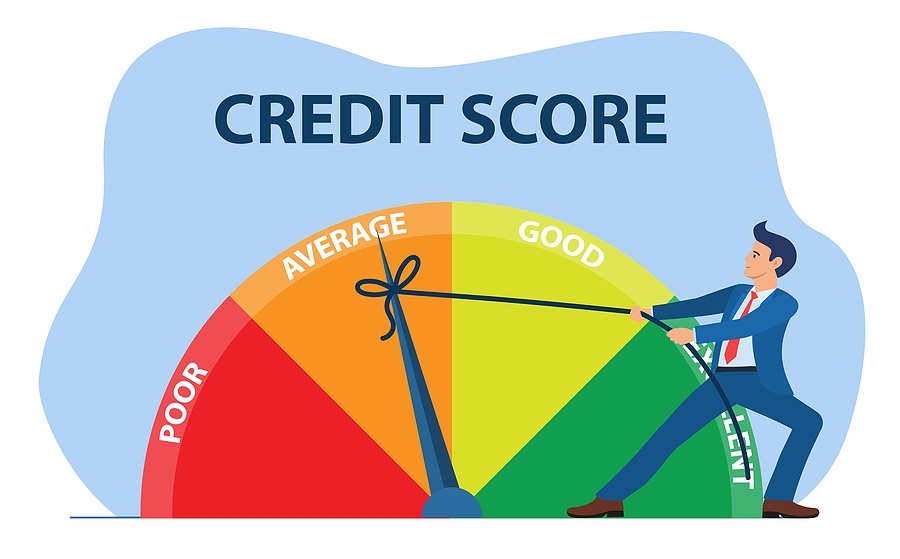
Your credit score is a three-digit number that represents your creditworthiness. It is used by lenders, landlords, and other financial institutions to evaluate your ability to manage debt and make payments on time. A high credit score can help you qualify for loans, credit cards, and other financial products at favorable interest rates, while a low score can make it difficult to get approved or lead to higher interest rates and fees. Here’s what you need to know about your credit score and how to improve it.checkout blogue
What is a credit score?
A credit score is a numerical representation of your creditworthiness based on your credit history. It ranges from 300 to 850, with higher scores indicating better creditworthiness. The three major credit bureaus, Equifax, Experian, and TransUnion, each calculate their own credit scores using slightly different algorithms, but the factors that influence your score are generally the same.
What factors affect your credit score?
Several factors contribute to your credit score, including:
- Payment history: The most significant factor in determining your credit score is your payment history. Late payments, missed payments, and defaults can have a significant negative impact on your score.
- Credit utilization: Credit utilization refers to the amount of credit you’re using compared to your credit limit. High credit utilization can indicate that you’re overextended and may negatively impact your credit score.
- Length of credit history: The length of time you’ve had credit accounts open can also impact your credit score. Generally, the longer your credit history, the better.
- Types of credit: Having a mix of credit types, such as credit cards, loans, and mortgages, can help improve your credit score.
- New credit: Applying for new credit can temporarily lower your credit score, as it suggests that you may be taking on additional debt.
How to improve your credit score
Improving your credit score takes time and effort, but there are several steps you can take to help boost your score:
- Check your credit report: Regularly review your credit report for errors or inaccuracies that could be negatively impacting your score. You can request a free credit report from each of the three major credit bureaus once per year.
- Pay on time: Making payments on time is the most significant factor in improving your credit score. Set up automatic payments or reminders to ensure you never miss a payment.
- Reduce credit utilization: Aim to keep your credit utilization below 30% of your credit limit. If possible, pay down balances to reduce your credit utilization.
- Keep old accounts open: Closing old credit accounts can lower your credit score, so it’s generally best to keep them open, even if you don’t use them often.
- Limit new credit applications: Avoid applying for new credit unless it’s necessary. Each time you apply for credit, it can temporarily lower your credit score.
- Seek help if needed: If you’re struggling to improve your credit score, consider seeking help from a credit counseling agency or financial advisor.
Your credit score is an important part of your financial health. By understanding the factors that influence your score and taking steps to improve it, you can qualify for better financial products and enjoy lower interest rates and fees.